5-day course on diagnosing, preventing, and managing drilling problems to reduce non-productive time, improve safety, and enhance drilling performance through field-based practices and digital solutions.
Best Seller

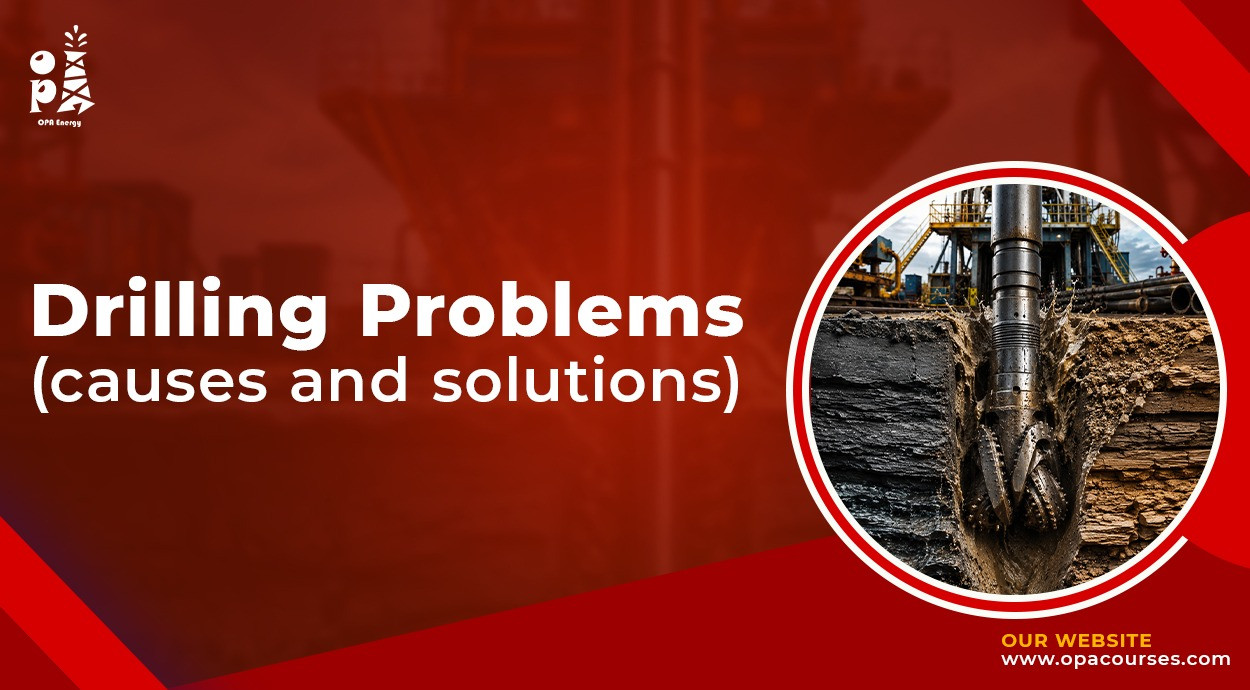
This 5-day course covers the most common and costly drilling problems, starting with stuck pipe mechanisms, diagnosis, prevention, jars, and freeing practices, then moving into downhole losses, bit balling, washout, twist-off, nozzle plugging, vibrations, ballooning, fishing, and well control. The course connects technical concepts with real drilling situations, showing how each problem develops, how early warning signs appear, and how the right response can prevent escalation. Special focus is given to practical decision-making during abnormal events. By the end, the course provides a clear, field-focused understanding of how to reduce non-productive time, improve safety, enhance drilling performance, and apply lessons learned and digital drilling practices to support better results in future wells.

The drilling fluid in the well is very similar to the blood in your body, you should test your blood and read your body messages for you and act accordingly to keep yourself healthy. Drilling fluid also send you messages about your well, you should understand your drilling fluid, know its functions, test its properties, and read your well messages to keep your well stable, safe, and efficiently perform your drilling process.

Techniques and procedures to prevent and manage wellbore kick and blowouts.

Techniques for performing complex well interventions safely and efficiently.

Strategies to maintain well integrity throughout the well lifecycle.

Techniques and applications of coiled tubing for well intervention and maintenance.
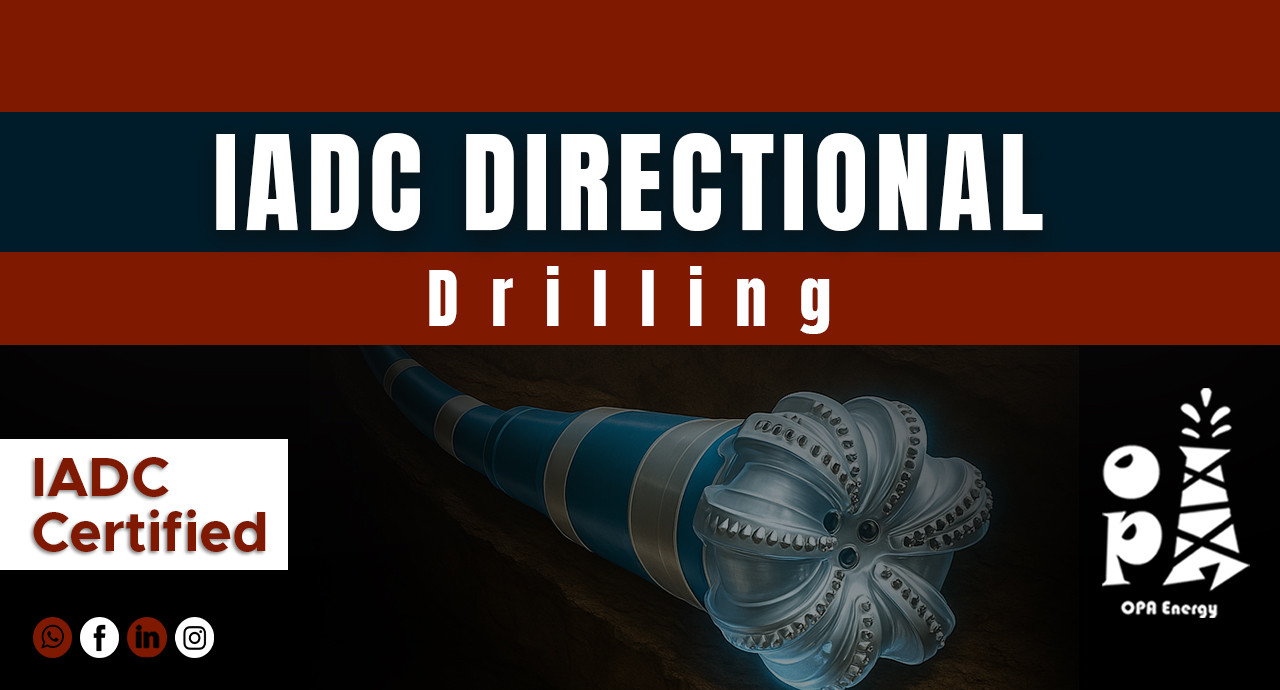
Techniques and tools for precise well trajectory control and directional well planning.
In-depth study of drilling fluids, their properties, and applications in complex drilling operations
Teach what you love.OPA provides the perfect environment for you to create a professional online course.
Apply for an Instructor Account

Cannot find the course you are looking for? Or do you prefer a dedicated content? Request a one-to-one mentorship now!.
 Login
Login Register