
5-day course covering end-to-end pipeline integrity management, from threat assessment, ILI and defect/FFS evaluation to corrosion control, repair, and risk-based PIMS implementation using real-world cases.
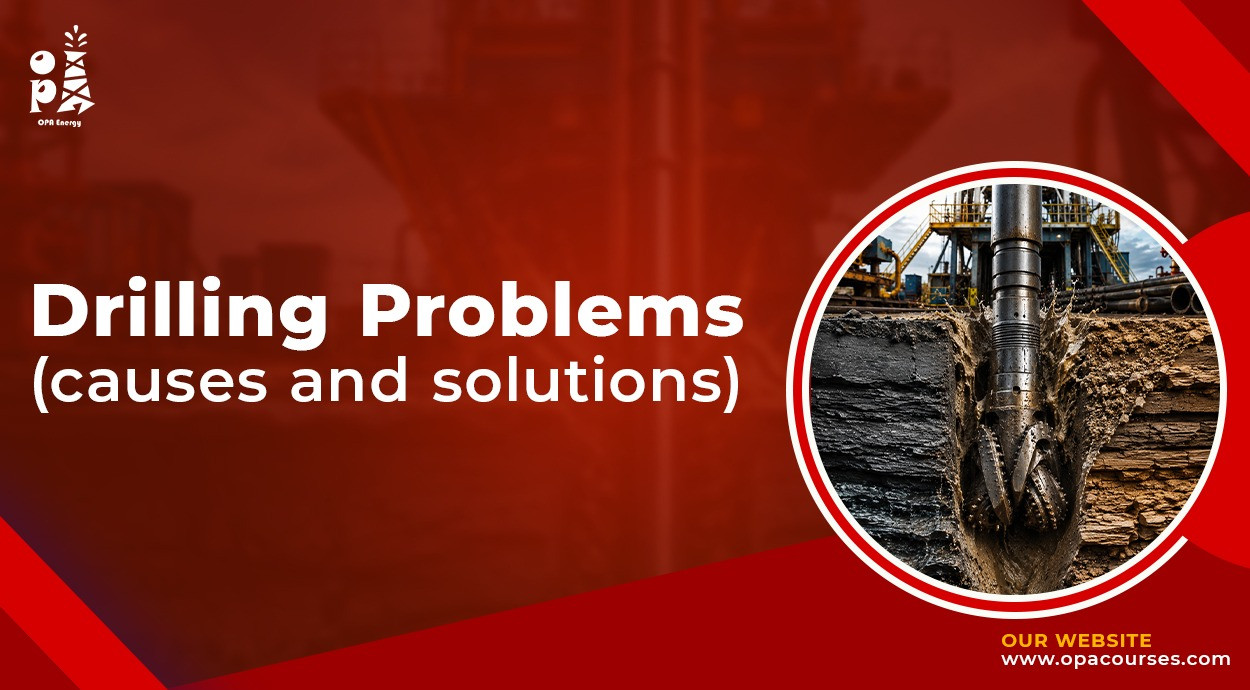
5-day course on diagnosing, preventing, and managing drilling problems to reduce non-productive time, improve safety, and enhance drilling performance through field-based practices and digital solutions.
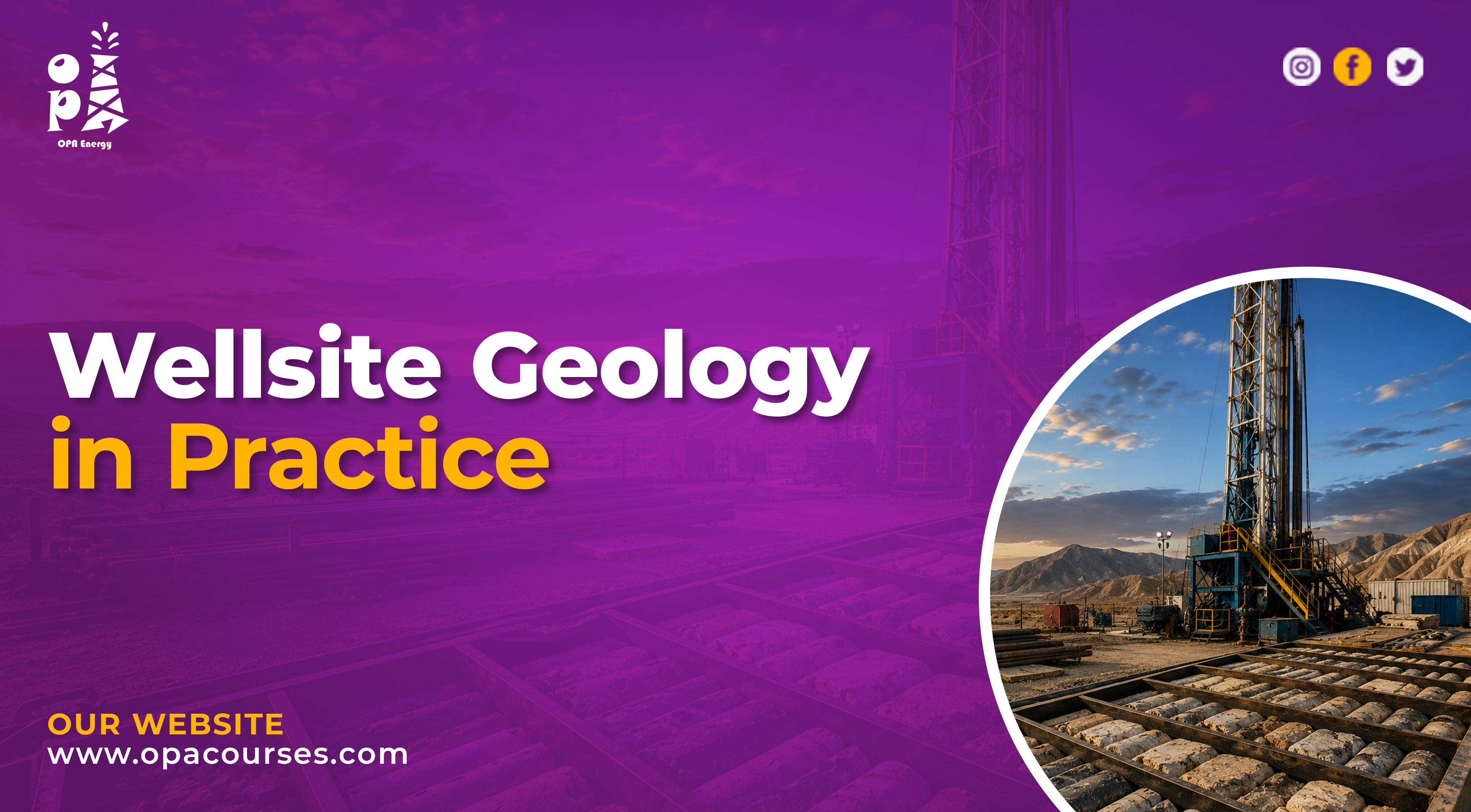
A hands-on course that equips participants with the practical skills required for wellsite geological operations.

A comprehensive course covering borehole image logs, dipmeter interpretation, image processing, geological feature identification, and advanced applications.
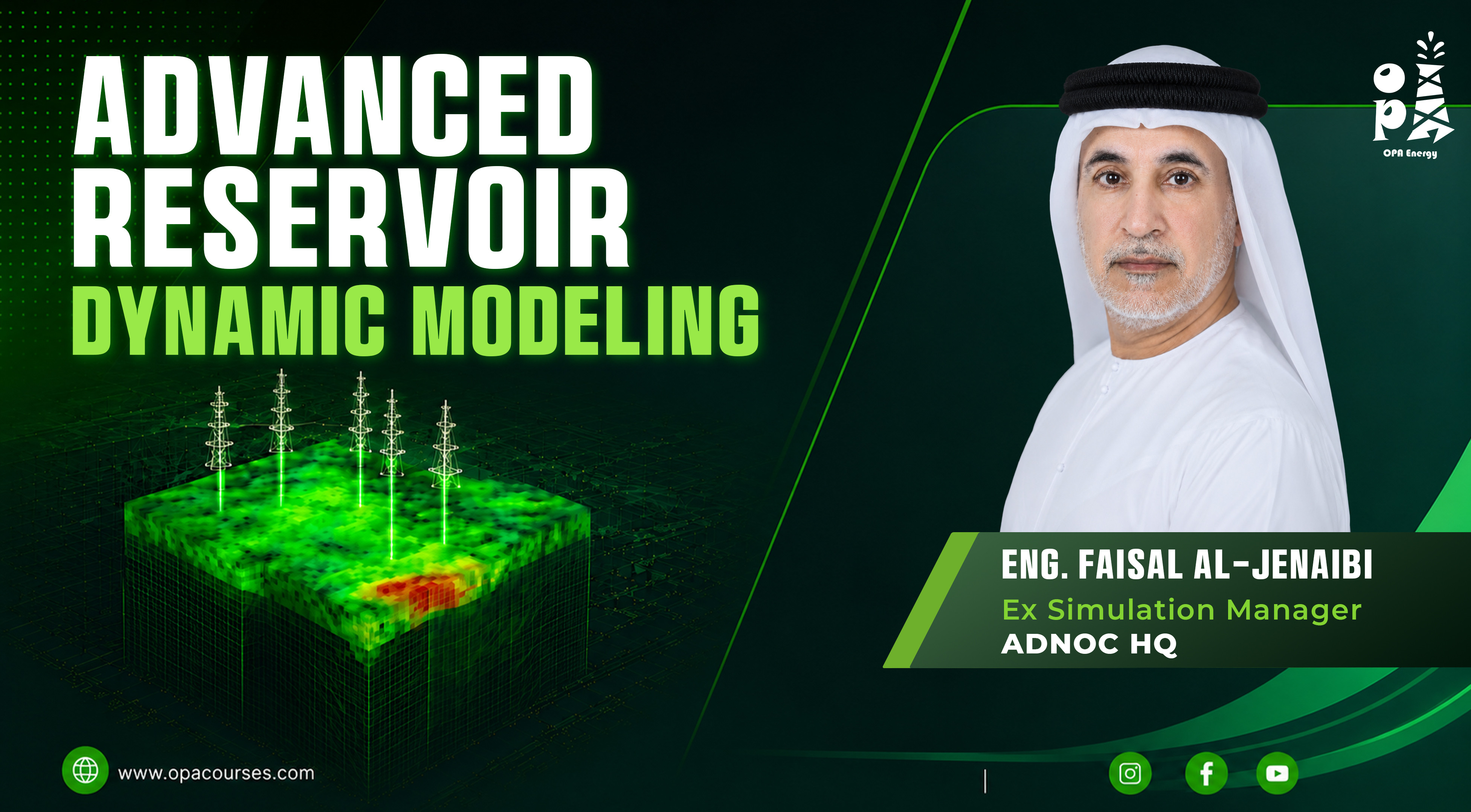
Workshop covering advanced reservoir simulation, dynamic model initialization, and history matching techniques to improve subsurface modeling accuracy and performance.

Intensive course covering oil and gas treatment systems, process equipment, flow assurance, control systems, production optimization, and process safety integration in upstream facilities
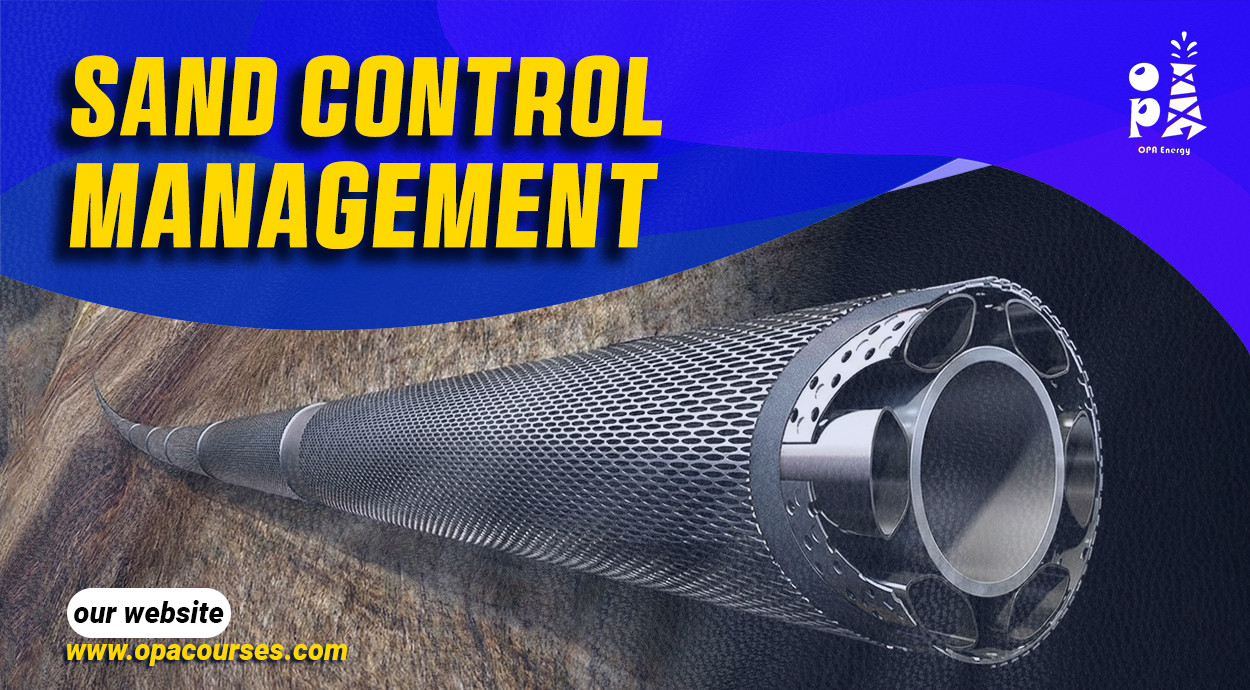
Implementation of mechanical and chemical barriers to prevent reservoir solids from entering the wellbore while maintaining optimal fluid production.

A practical course on preventing, monitoring, and mitigating mineral scale formation to protect well and production system integrity

A structured course on estimating, classifying, and reporting petroleum reserves and resources in line with industry standards.

This course delivers an end-to-end understanding of the drilling lifecycle, from rig systems and well planning through to field execution.
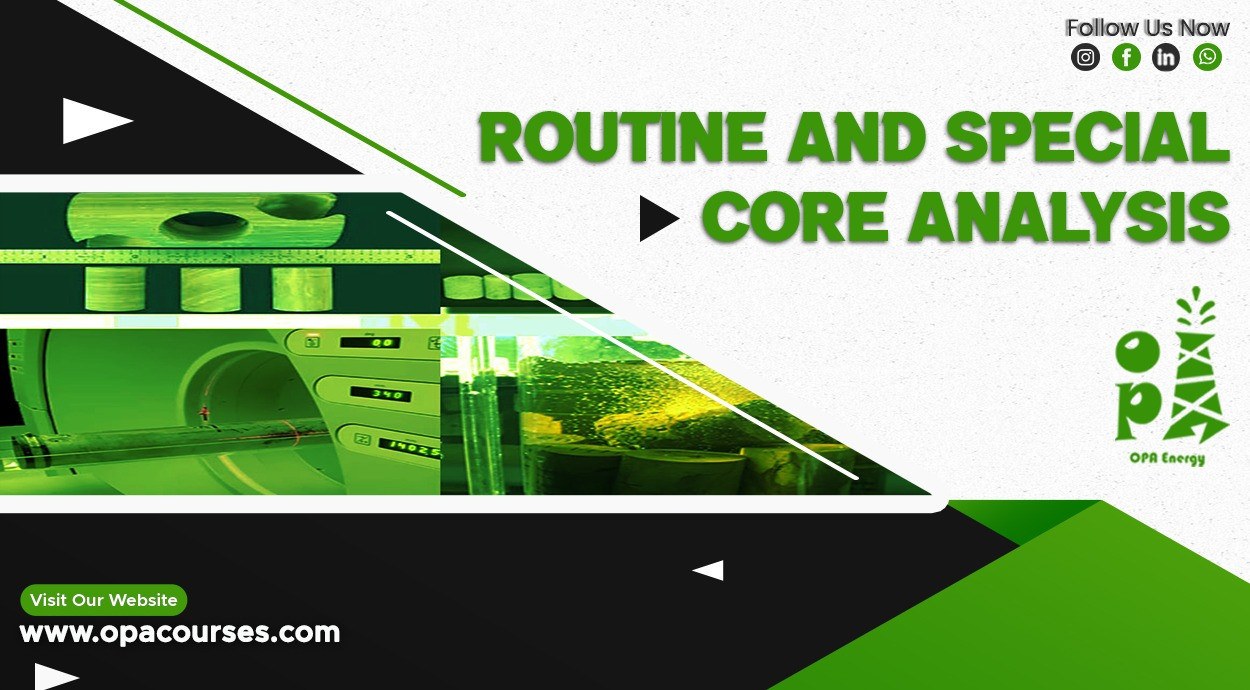
Training on core analysis techniques, covering both routine (RCAL) and specialized (SCAL) methods for reservoir evaluation and optimization.
In-depth course on jet pump principles, design, operation, and optimization for efficient artificial lift performance.
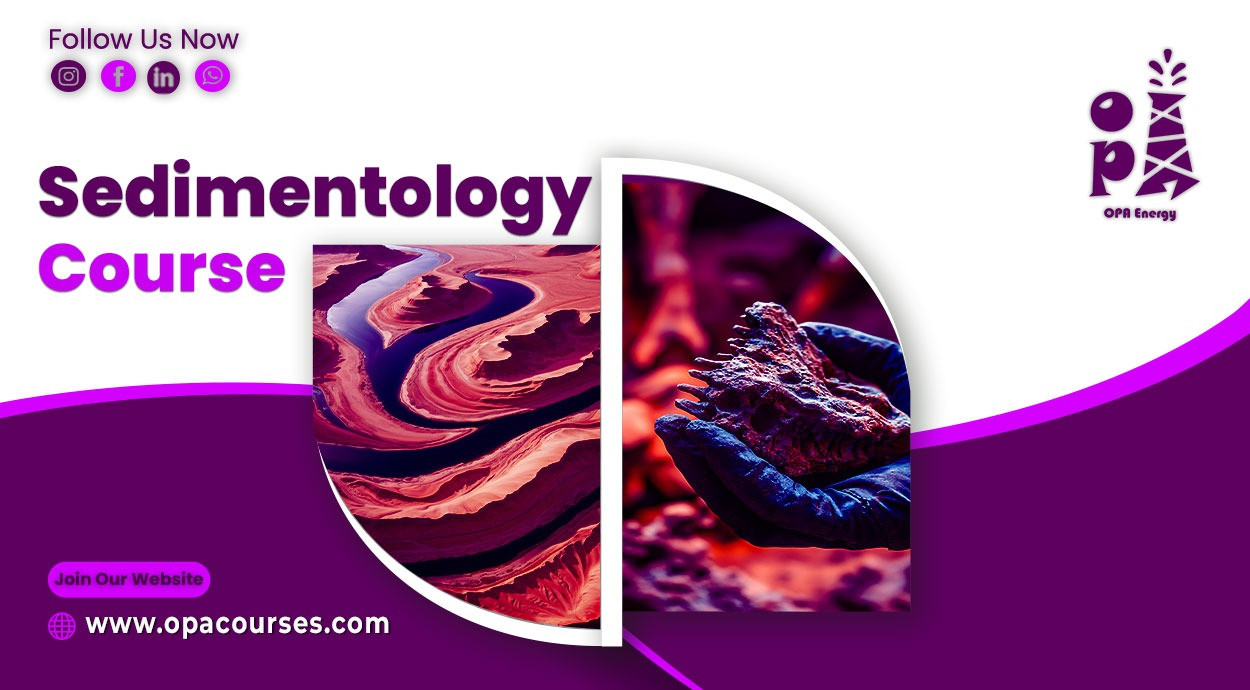
Comprehensive course on sediment formation, transport, and deposition processes to interpret sedimentary environments and basin evolution.
Practical course covering slickline tools, techniques, and operations for well intervention, maintenance, and data acquisition.

Comprehensive training on analyzing and interpreting seismic data to identify subsurface structures and hydrocarbon reservoirs.
Training on applying AI and machine learning techniques to optimize drilling operations and enhance decision-making.
Optimizing well and field production performance using nodal analysis techniques.
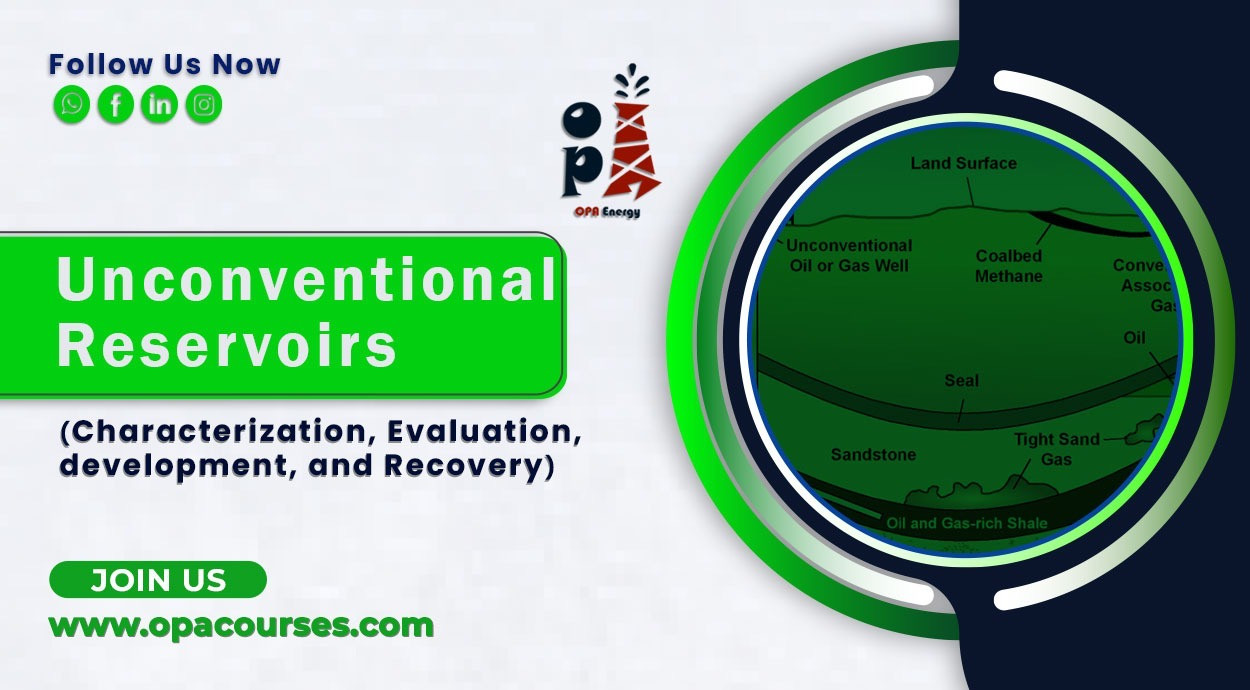
This course includes the exploration, appraisal, and development of oil and gas resource plays. It identifies the data that need to be collected, how to analyze and interpret them, and how to integrate and apply this knowledge to the decision-making process. Case studies from a number of active plays.
In-depth study of drilling fluids, their properties, and applications in complex drilling operations

Understanding reservoir fluid behavior and modeling using PVT analysis and equations of state
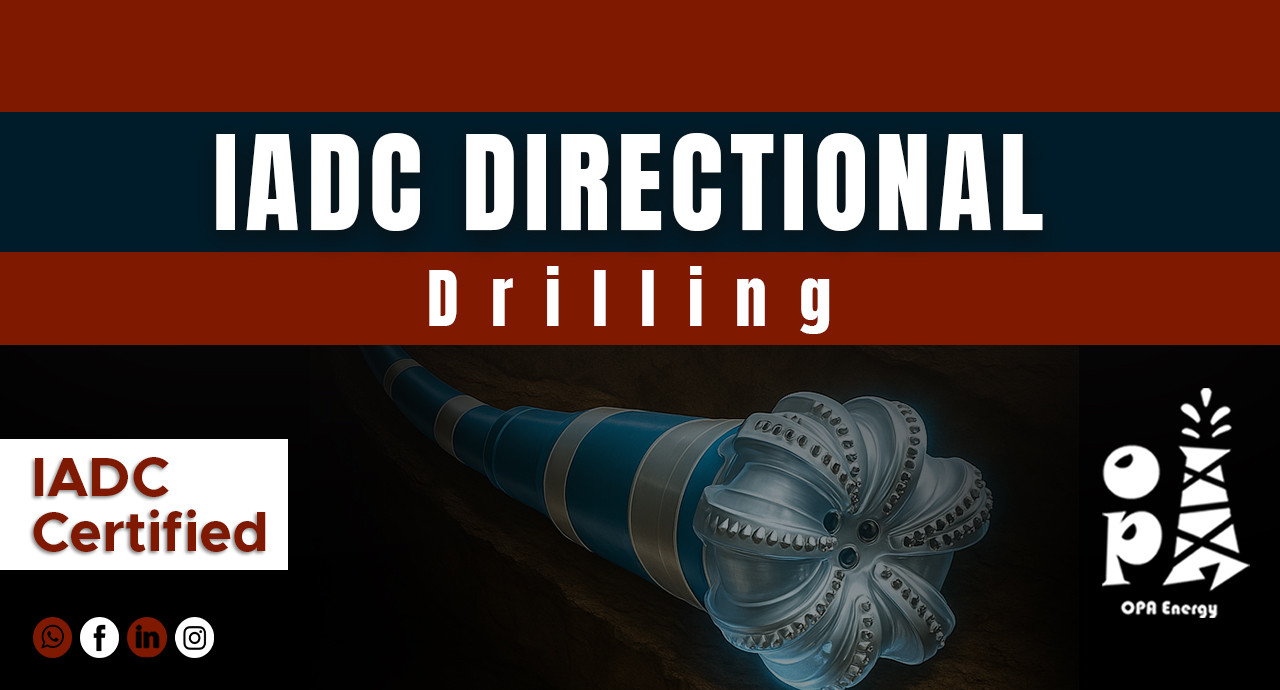
Techniques and tools for precise well trajectory control and directional well planning.

Design and execution of well completions for optimal production and safety.

Application of NMR for detailed reservoir characterization and fluid analysis.

The Progressing Cavity Pump (PCP) is emerging as a game-changer in oil production. Compared to traditional artificial lift methods, PCPs offer numerous advantages.

Modeling and simulation of carbonate reservoirs for improved recovery.

Techniques and applications of coiled tubing for well intervention and maintenance.

Leveraging Power BI for visualization, analysis, and decision-making in oil & gas data.

Understanding occupational safety and health standards in industrial operations.

Ensuring continuous and efficient flow of hydrocarbons through production systems.

Ensuring continuous and efficient flow of hydrocarbons through production systems.

Managing process risks to prevent accidents and ensure operational safety.

Hands-on modeling and simulation of reservoirs for production forecasting and planning

More than 20 cases from practical life covering different concepts in Analytical Reservoir Engineering

Design, operation, and optimization of sucker rod pumping systems in wells.

Master essential skills in Python, SQL, data analytics, machine learning, and MLOps. Gain hands-on experience and practical knowledge to effectively apply advanced data science techniques in the oil industry.

The FE civil engineering exam preparation course is specifically designed to help individuals prepare for and pass the Fundamentals of Engineering (FE) exam. This is a comprehensive course that covers all the different subjects that are tested in the exam, including mathematics, engineering sciences, ethics, and professional practice, as well as preparing students for the computer-based testing format.

Simulating polymer EOR processes for enhanced oil recovery using CMG

Strategies to maintain well integrity throughout the well lifecycle.

Design, installation, and optimization of electric submersible pump systems.

Studying stress, strain, and rock mechanics to support reservoir management and drilling.

Simulation of thermal enhanced oil recovery techniques using CMG software.

Principles and design of gas lift systems to enhance production efficiency.

Techniques for performing complex well interventions safely and efficiently.

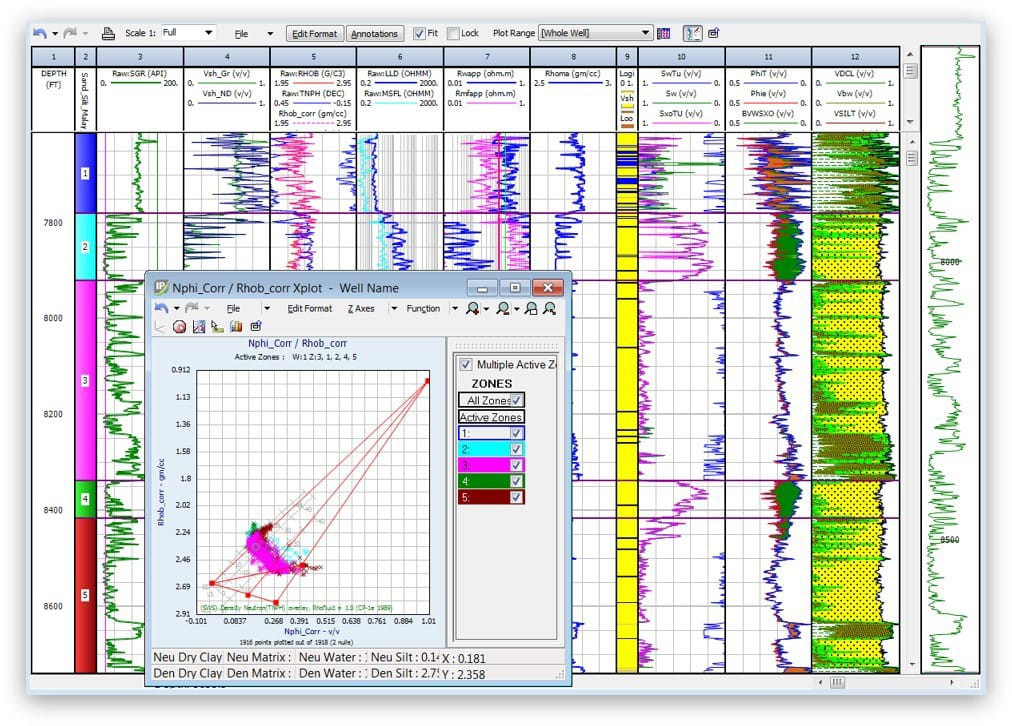
Analysis of subsurface formations using logs for reservoir characterization

Design and implementation of optimized water injection projects for secondary oil recovery.

Techniques and procedures to prevent and manage wellbore kick and blowouts.

Designing and executing acid treatments to enhance well productivity.

Advanced principles and techniques of pressure transient analysis for reservoir evaluation

Core Python programming concepts applied to engineering and data tasks.

Applying rate transient analysis to assess reservoir performance and predict future production.

Organizing, analyzing, and managing data for efficient oilfield operations.

Planning and executing well perforations to optimize reservoir drainage.

Design, installation, and optimization of electric submersible pump systems.

From primary raw general guidelines to detailed sophisticated modeling studies

Principles and techniques of well stimulation using hydraulic fracturing methods.

Modeling surface facilities and pipelines for efficient production system management.

modeling well performance and production optimization through nodal analysis.

Organizing, analyzing, and managing data for efficient oilfield operations.

Performing and interpreting production logging tools to assess well performance.

Performing and interpreting production logging tools to assess well performance.

A Comprehensive Nodal Analysis Theory and Practice

Principles and techniques of well stimulation using hydraulic fracturing methods.

Organizing, analyzing, and managing data for efficient oilfield operations.

comprehensive Reservoir Simulation Course

Analysis of subsurface formations using logs for reservoir characterization

From primary raw general guidelines to detailed sophisticated modeling studies

The drilling fluid in the well is very similar to the blood in your body, you should test your blood and read your body messages for you and act accordingly to keep yourself healthy. Drilling fluid also send you messages about your well, you should understand your drilling fluid, know its functions, test its properties, and read your well messages to keep your well stable, safe, and efficiently perform your drilling process.
Teach what you love.OPA provides the perfect environment for you to create a professional online course.
Apply for an Instructor Account

Cannot find the course you are looking for? Or do you prefer a dedicated content? Request a one-to-one mentorship now!.
 Login
Login Register