Comprehensive training on analyzing and interpreting seismic data to identify subsurface structures and hydrocarbon reservoirs.
Best Seller

Mohamed Abdul Aziz is a Senior Geophysicist with over 17 years of experience in geophysical exploration, seismic interpretation, and reservoir modeling across the Middle East and Africa. He has contributed to major exploration and development projects with companies such as ADNOC, SNOC, Rak Gas, PGNiG, Subsea, Vega and ADES Petroleum. Mohamed specializes in integrated seismic workflows, structural modeling, and reservoir characterization using different Geoprediction software platforms.
The Next-Generation Seismic Interpretation Integrated with Structural and Static Model course introduces participants to a modern, end-to-end workflow that bridges seismic interpretation and 3D static modeling. This program provides geoscientists with practical insight into how seismic interpretation, structural modeling, and reservoir characterization are now seamlessly connected through advanced software, machine learning, and integrated data workflows. By the end of the course, participants will master how to transform seismic data into geologically consistent structural and static models that drive better exploration and field development decisions.
The drilling fluid in the well is very similar to the blood in your body, you should test your blood and read your body messages for you and act accordingly to keep yourself healthy. Drilling fluid also send you messages about your well, you should understand your drilling fluid, know its functions, test its properties, and read your well messages to keep your well stable, safe, and efficiently perform your drilling process.
From primary raw general guidelines to detailed sophisticated modeling studies
Organizing, analyzing, and managing data for efficient oilfield operations.
Principles and techniques of well stimulation using hydraulic fracturing methods.
A Comprehensive Nodal Analysis Theory and Practice
Performing and interpreting production logging tools to assess well performance.
Organizing, analyzing, and managing data for efficient oilfield operations.
modeling well performance and production optimization through nodal analysis.
Principles and techniques of well stimulation using hydraulic fracturing methods.
Design, installation, and optimization of electric submersible pump systems.
Planning and executing well perforations to optimize reservoir drainage.
Organizing, analyzing, and managing data for efficient oilfield operations.
Applying rate transient analysis to assess reservoir performance and predict future production.
Core Python programming concepts applied to engineering and data tasks.
Advanced principles and techniques of pressure transient analysis for reservoir evaluation
Designing and executing acid treatments to enhance well productivity.
Techniques and procedures to prevent and manage wellbore kick and blowouts.
Analysis of subsurface formations using logs for reservoir characterization
Techniques for performing complex well interventions safely and efficiently.
Principles and design of gas lift systems to enhance production efficiency.
Simulation of thermal enhanced oil recovery techniques using CMG software.
Studying stress, strain, and rock mechanics to support reservoir management and drilling.
Design, installation, and optimization of electric submersible pump systems.
Strategies to maintain well integrity throughout the well lifecycle.
Master essential skills in Python, SQL, data analytics, machine learning, and MLOps. Gain hands-on experience and practical knowledge to effectively apply advanced data science techniques in the oil industry.
Design, operation, and optimization of sucker rod pumping systems in wells.
More than 20 cases from practical life covering different concepts in Analytical Reservoir Engineering
Hands-on modeling and simulation of reservoirs for production forecasting and planning
Managing process risks to prevent accidents and ensure operational safety.
Ensuring continuous and efficient flow of hydrocarbons through production systems.
Leveraging Power BI for visualization, analysis, and decision-making in oil & gas data.
Techniques and applications of coiled tubing for well intervention and maintenance.
The Progressing Cavity Pump (PCP) is emerging as a game-changer in oil production. Compared to traditional artificial lift methods, PCPs offer numerous advantages.
Design and execution of well completions for optimal production and safety.
Understanding reservoir fluid behavior and modeling using PVT analysis and equations of state
This course includes the exploration, appraisal, and development of oil and gas resource plays. It identifies the data that need to be collected, how to analyze and interpret them, and how to integrate and apply this knowledge to the decision-making process. Case studies from a number of active plays.
Optimizing well and field production performance using nodal analysis techniques.
Training on applying AI and machine learning techniques to optimize drilling operations and enhance decision-making.
Practical course covering slickline tools, techniques, and operations for well intervention, maintenance, and data acquisition.
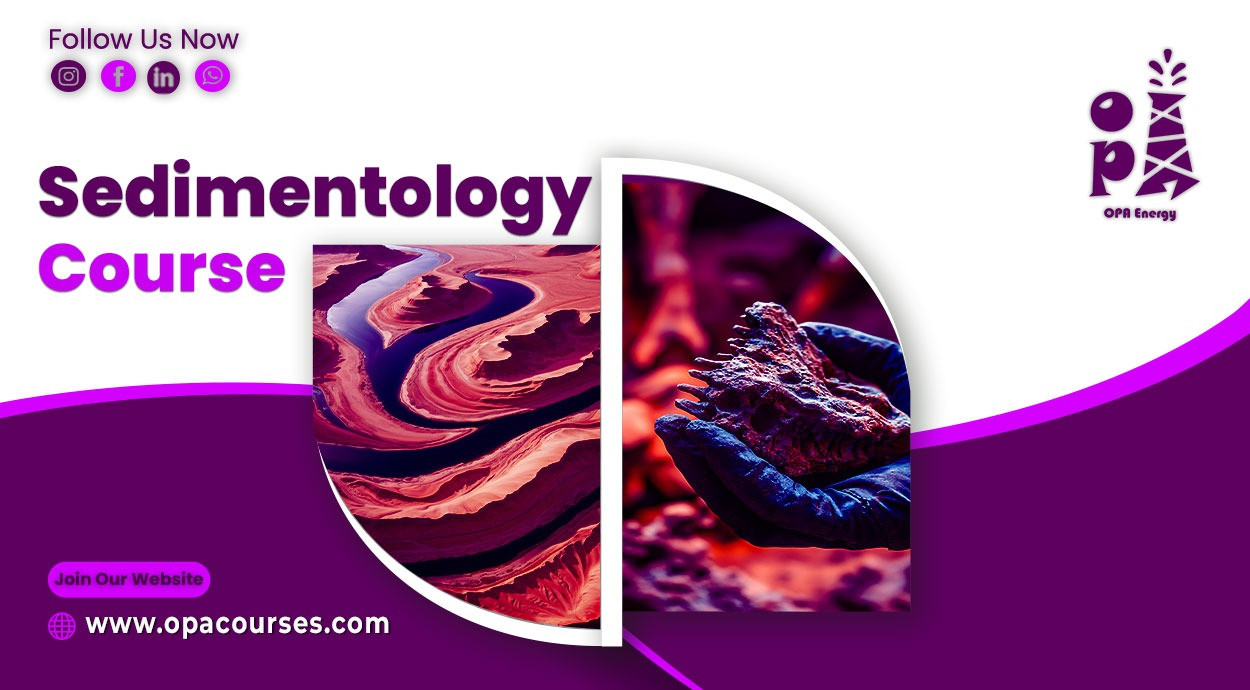
Comprehensive course on sediment formation, transport, and deposition processes to interpret sedimentary environments and basin evolution.
In-depth course on jet pump principles, design, operation, and optimization for efficient artificial lift performance.